
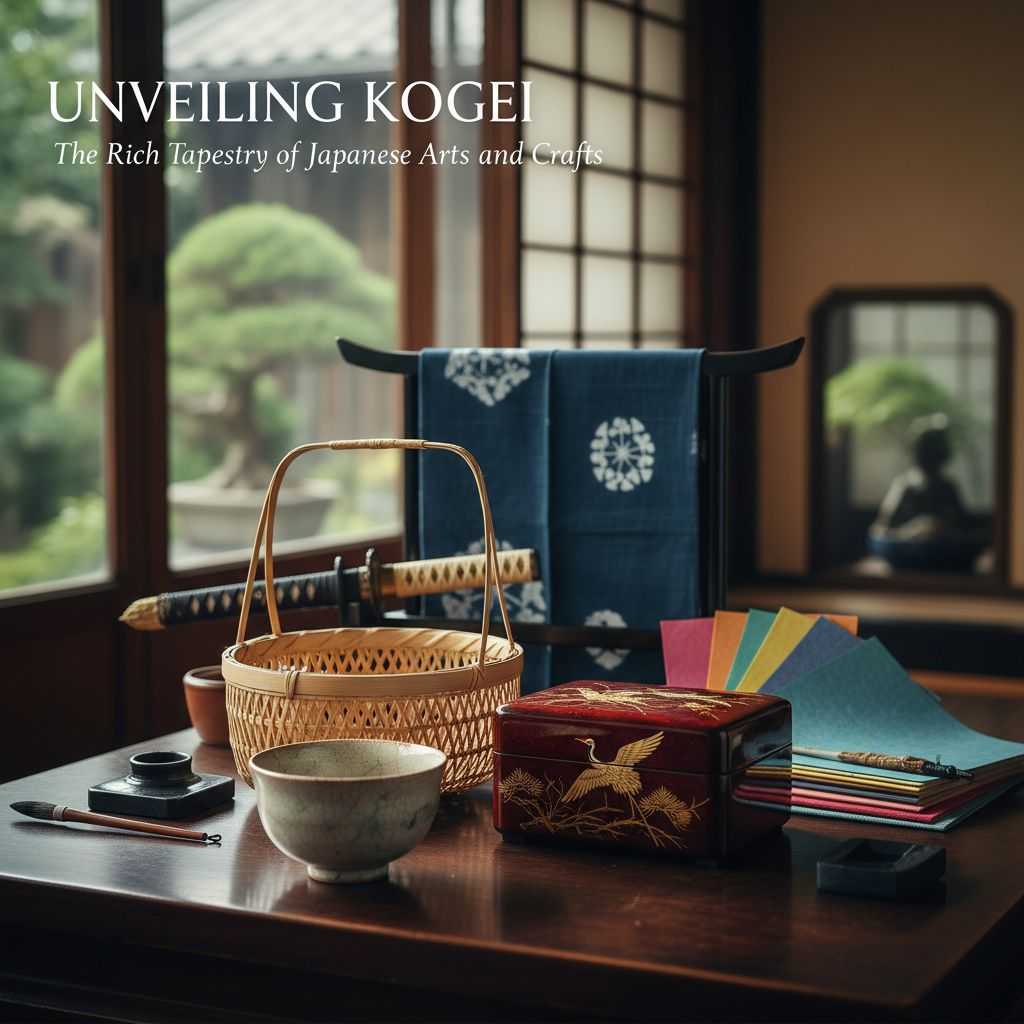
Japanese arts and crafts is as deep and nuanced as its history. Within this vibrant landscape, one term frequently surfaces, hinting at a profound dedication to skill, beauty, and cultural heritage: Kogei. For those captivated by the intricate details of Japanese design, the meticulous craftsmanship of handmade objects, or simply seeking inspiration for their own creative pursuits, understanding what Kogei means in Japanese is an essential step. This exploration will delve into the essence of Kogei Japan, revealing its multifaceted meaning and the incredible artistry it encompasses.
What Exactly is Kogei? More Than Just "Craft"
At its most direct translation, kogei (工芸) can be understood as "craft" or "applied art." However, this seemingly simple definition barely scratches the surface of its true significance. In Japan, Kogei represents a sophisticated and revered category of artistic expression that bridges the gap between art and utility. It is not merely about creating something functional; it is about imbuing an object with aesthetic excellence, profound skill, and a deep connection to tradition and the natural world.
Think of the elegant simplicity of a perfectly formed ceramic tea bowl, the intricate patterns woven into a silk kimono, or the delicate artistry of a lacquered wooden tray. These are all prime examples of Kogei. They are objects that are not only useful in daily life but also elevate those everyday moments through their beauty and the evident dedication of their creators.
The Pillars of Kogei: Skill, Tradition, and Aesthetics
To truly grasp the meaning of Kogei in Japanese, one must appreciate the core principles that underpin this art form. These principles are deeply ingrained in Japanese culture and manifest in every meticulously crafted piece.
Unparalleled Skill and Mastery
The cornerstone of Kogei is the extraordinary level of skill and dedication required for its creation. Generations of artisans have honed their techniques, passing down knowledge and refining processes to achieve near perfection. Whether it's the precise brushstrokes of a painter, the delicate shaping of clay by a potter, or the intricate carving of wood by a craftsman, the mastery of their chosen medium is paramount. This isn't simply about talent; it's about years of rigorous training, unwavering discipline, and a deep understanding of materials.
Reverence for Tradition and Heritage
Kogei is inextricably linked to Japan's rich cultural heritage. Many Kogei forms have evolved over centuries, each carrying with it a history, a story, and a connection to specific regions and their unique artistic lineages. Artisans often draw inspiration from classical designs, natural motifs, and historical narratives, reinterpreting them for a contemporary audience while preserving their essence. This respect for tradition ensures that these art forms not only survive but thrive, adapting to new contexts while retaining their authenticity.
The Pursuit of Aesthetic Harmony
Beyond mere function and technical prowess, Kogei emphasizes a profound appreciation for beauty and aesthetic harmony. This can manifest in various ways, from the subtle elegance of minimalist designs to the vibrant exuberance of more decorative pieces. The concept of "wabi-sabi," which finds beauty in imperfection and transience, often influences Kogei aesthetics, celebrating the natural irregularities of materials and the subtle marks of the artisan's hand.
Exploring the Diverse World of Japanese Kogei
The umbrella term Kogei encompasses a vast and diverse array of artistic disciplines. For hobbyists, artists, and anyone with an interest in Japanese culture, discovering these different facets of Kogei can be a truly enriching experience.
Ceramics (Yakimono)
Japanese ceramics are world-renowned, and many pieces fall under the Kogei umbrella. From the rustic charm of Bizen ware to the delicate refinement of Kutani porcelain, each style showcases unique glazes, firing techniques, and artistic expressions. They are designed for both everyday use and as objects of contemplation.
Textiles and Dyeing (Sen-i)
The art of Japanese textiles is breathtaking. This includes intricate weaving techniques, vibrant dyeing methods like Shibori and Yuzen, and the creation of exquisite kimonos and obi sashes. The meticulous patterns and the way color is applied demonstrate a deep understanding of both material and design.
Lacquerware (Urushi)
Urushi is a highly skilled craft involving the application of natural lacquer derived from the urushi tree. This process, which can take months or even years to complete, results in incredibly durable, lustrous, and beautiful objects, from bowls and trays to intricate boxes. The polished surfaces and inlaid designs are a testament to immense patience and precision.
Metalworking (Kinzoku-kōgei)
Japanese metalwork is celebrated for its precision and artistic flair. This can range from the crafting of exquisite swords and armor (though often considered historical artifacts, the skills involved are undeniably Kogei) to the creation of decorative metal objects, jewelry, and intricate inlay work on other materials.
Woodworking and Bamboo Crafts (Mokkougei & Chikukōgei)
The mastery of wood and bamboo is another significant area of Kogei. This includes the creation of intricate furniture, decorative carvings, and functional items like baskets and fans. The natural beauty of these materials is highlighted through skillful shaping and finishing.
Paper Crafts (Washi)
The creation of traditional Japanese paper, or Washi, is an art form in itself. This highly durable and beautiful paper is then used in a variety of Kogei applications, including delicate lampshades, screens, and decorative objects.
Why Kogei Resonates Today
In a world increasingly dominated by mass production, the appeal of Kogei has never been stronger. For hobbyists and aspiring artists, it offers a connection to a rich lineage of craftsmanship and a path to developing deep, practical skills. For those seeking to bring beauty and intention into their homes, Kogei pieces offer a unique blend of form and function that elevates the everyday.
Mums and older women might find inspiration in the meticulous detail and therapeutic nature of these crafts, perhaps even taking up a new hobby. Young adults, often drawn to authenticity and sustainable practices, can appreciate the inherent value and longevity of handmade Kogei items. There's a growing recognition that these objects tell stories, carry cultural weight, and represent a mindful approach to consumption.
Key Takeaways
Kogei in Japanese translates to "craft" or "applied art" but signifies a higher standard of artistic excellence and skill.
The core principles of Kogei include unparalleled craftsmanship, a deep reverence for tradition and heritage, and a commitment to aesthetic harmony.
Kogei Japan encompasses a wide range of disciplines, including ceramics, textiles, lacquerware, metalwork, woodworking, and paper crafts.
The appreciation for Kogei is growing globally, appealing to those seeking authenticity, quality, and a connection to cultural heritage.
Frequently Asked Questions about Kogei
What is the difference between Kogei and fine art in Japan?
While the lines can sometimes blur, Kogei generally refers to objects that possess both artistic merit and functional application. Fine art, in contrast, is typically created with the primary purpose of aesthetic expression and contemplation, often without an intended practical use. Think of a beautifully crafted ceramic vase (Kogei) versus a purely abstract painting (fine art). Both are art, but they occupy different categories based on their intention and form.
Is Kogei always expensive?
The price of Kogei items can vary significantly. While some highly intricate and historically significant pieces created by master artisans can command high prices, there are also many accessible Kogei items that are more affordable. The cost often reflects the complexity of the technique, the rarity of materials, the time invested by the artisan, and the reputation of the creator. Even smaller, simpler Kogei pieces can offer exceptional value due to their inherent quality and artistry.
How can I start learning about or collecting Kogei?
Starting your journey into Kogei can be incredibly rewarding. For learning, immerse yourself in books and documentaries about Japanese arts and crafts. Visit museums with Japanese art collections. For collecting, begin with smaller, more accessible items that appeal to you personally, perhaps in categories like ceramics or textiles. Look for reputable dealers or explore Japanese craft markets. Many contemporary artisans also sell their work online. Consider attending workshops if available, to gain a hands-on appreciation for the dedication involved.