
Kimono Patterns and Styling for Weddings
Selecting a kimono for a wedding is a journey through centuries of Japanese history, art, and social etiquette. It is...
Read Article
Discover the Art of Japanese Traditional Crafts
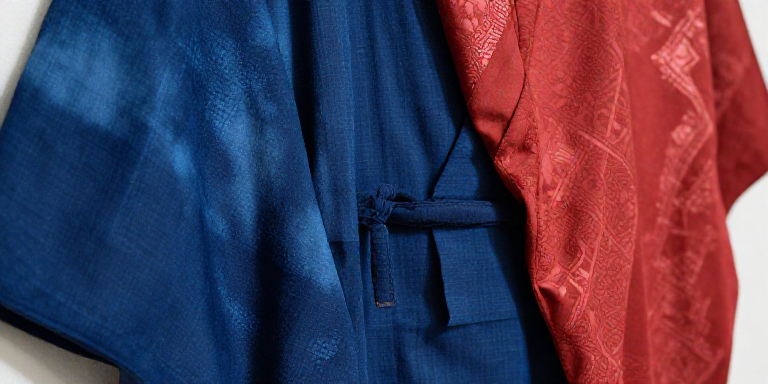
Woven stories in silk and cotton — from indigo-dyed fabrics to ornate brocades.
Selecting a kimono for a wedding is a journey through centuries of Japanese history, art, and social etiquette. It is...
Read Article Attending or hosting a Japanese wedding is a significant cultural experience, and the kimono is a central element of the...
Read ArticleJapanese textile arts, collectively known as senshoku (染織), encompass an extraordinarily diverse range of dyeing and weaving traditions that have developed over more than two millennia. From the intricate kasuri weaving techniques to the vibrant colors of yūzen dyeing, these crafts represent both practical necessity and profound artistic expression, deeply woven into the fabric of Japanese cultural identity.
The evolution of Japanese textiles reflects the nation’s historical periods and cultural exchanges. Indigenous techniques such as tsumugi (紬) silk weaving developed alongside imported methods from China and Korea. During the Edo period (1603-1868), sumptuary laws restricting certain fabrics to specific social classes paradoxically spurred innovation, as artisans developed increasingly sophisticated techniques to create beautiful textiles within legal constraints.
Japan’s dyeing heritage includes numerous distinct methods, each requiring years of apprenticeship to master. Yūzen dyeing, originating in 17th-century Kyoto, involves hand-painting intricate designs using resist paste, enabling the creation of elaborate pictorial kimono with stunning color gradations. Shibori, the art of shaped-resist dyeing, produces distinctive patterns through folding, twisting, or binding fabric before dyeing—techniques that have influenced textile arts worldwide.
Indigo dyeing, or aizome (藍染), holds particular significance in Japanese textile history. The deep blue derived from the sukumo fermentation process produces colors that improve with age and wear, embodying the aesthetic principles of gradual change and natural beauty. Regional variations include Tokushima’s renowned awa-ai tradition, where artisans maintain living indigo vats passed down through generations.
Traditional weaving centers across Japan continue producing distinctive regional textiles. Nishijin-ori from Kyoto represents the pinnacle of brocade weaving, incorporating gold and silver threads in complex patterns for formal kimono. Okinawan bashōfu, woven from banana fiber, exemplifies sustainable textile traditions adapted to local materials and climate. These regional specialties maintain their unique identities while adapting to contemporary applications.
Today, Japanese textile artists honor traditional techniques while exploring new creative directions. The designation of Living National Treasures in various textile arts ensures the transmission of knowledge, while innovative practitioners find fresh applications for ancient methods in fashion, interior design, and contemporary art.